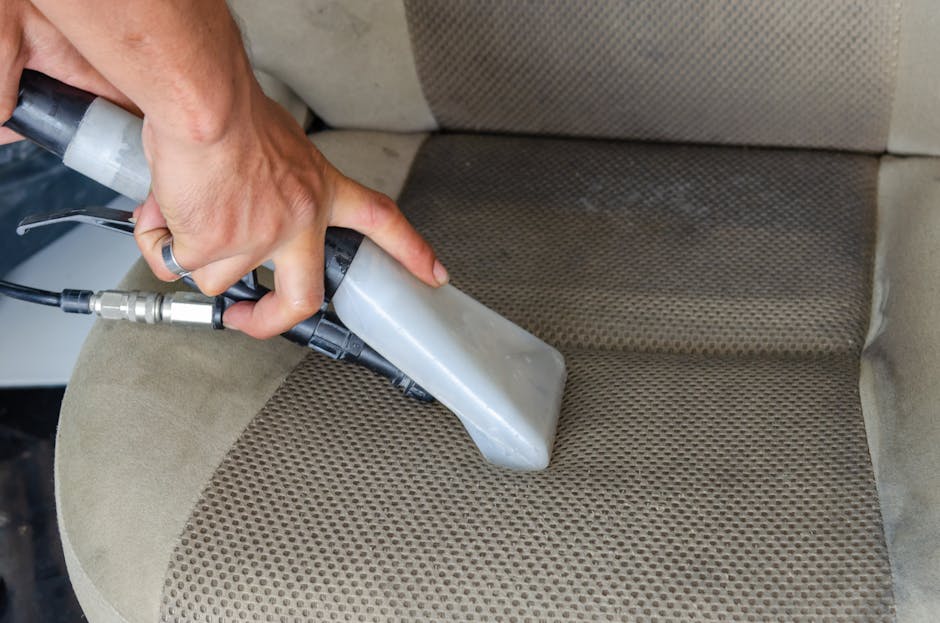
Exhibition Road guide to upholstery cleaning after events

After an event, upholstery always seems to show the truth first. A velvet chair carries the faint smell of spilled wine, a banquette has a few crumbs tucked into the seams, and that one pale armchair near the drinks table somehow looks twice as tired as it did the night before. This Exhibition Road guide to upholstery cleaning after events is for anyone dealing with exactly that kind of post-event reset: practical, careful, and a little bit time-sensitive.
Whether you are looking after a gallery reception, a private dinner, a corporate launch, a wedding, or a busy hospitality space near Exhibition Road, the priority is the same: remove marks quickly, protect the fabric, and get the room back to normal without causing more damage. That sounds simple. In reality, it is the small details that matter.
Below, you will find a clear plan for cleaning upholstered furniture after events, including what to do first, what not to do, when professional help makes sense, and how to avoid turning a small stain into a bigger repair job. Truth be told, a rushed wipe-down can do more harm than a few confetti crumbs ever could.
Why Exhibition Road guide to upholstery cleaning after events Matters
Event spaces in and around Exhibition Road tend to work hard. They host foot traffic, food service, drinks, last-minute chair moves, and sometimes a fair amount of "we'll sort it later" energy. Upholstery takes the hit because it absorbs spills, dust, skin oils, odours, and general wear in a way hard surfaces simply do not.
That is why post-event upholstery cleaning is not just a tidy-up task. It is part of protecting the furniture itself. Fabric left dirty for too long can hold onto tannins from drinks, grease from food, and moisture that encourages odour or even mildew. On a busy set-up, you might barely notice the first spill, but by the next morning it can be dry, set, and much harder to remove.
There is also a presentation issue. If the chairs, sofas, or upholstered benches look grubby, the whole room feels tired, even if the rest of the venue is spotless. Guests notice this. Clients notice it too. And if you manage a commercial venue, that impression can affect bookings, reviews, and repeat business. If you need broader support for spaces that work hard after events, services such as deep cleaning or one-off cleaning can be a sensible fit alongside upholstery care.
Expert summary: The best post-event upholstery cleaning is fast, fabric-aware, and light-handed at the beginning. Most damage happens when people scrub too hard, use the wrong product, or leave moisture behind.
How Exhibition Road guide to upholstery cleaning after events Works
Post-event upholstery cleaning is usually a sequence, not a single action. First comes inspection, then dry removal, then targeted stain treatment, then extraction or controlled wet cleaning if the fabric allows it, followed by drying and final grooming. Simple enough on paper. In practice, each stage depends on the fabric type, the kind of spill, and how much time has passed.
The process starts with identifying the material. Cotton blends, synthetic fibres, wool, linen, velvet, and leather all behave differently. Some can handle moist cleaning well; others need specialist care. A quick look at the furniture label can save a lot of trouble, and if there is no label, caution is the right instinct. You do not want to guess with expensive upholstery.
Event cleaning also tends to be more variable than household cleaning. One chair may have fizzy drink splashes, another may have makeup transfer, and a third could just be covered in fine dust from late-night movement and open doors. That is why a blanket approach rarely works. A professional cleaner will usually separate the job into zones and treat each one based on the stain, fabric, and drying requirement.
For example, after a drinks reception, the fabric may only need careful spot treatment and low-moisture cleaning. After a seated dinner, there may be a mix of grease, sauces, crumbs, and odour that requires more detailed treatment. If the event space also needs carpet or rug attention, it can make sense to coordinate with carpet cleaning or rug cleaning so the room is refreshed properly rather than half-done.
Key Benefits and Practical Advantages
Good upholstery cleaning after events gives you more than just a clean look. It helps furniture last longer, reduces lingering smells, and lowers the odds of permanent staining. That matters whether you own the venue outright or you are managing the space on behalf of someone else.
- Better appearance: clean upholstery instantly improves the room and helps the event space feel cared for.
- Longer furniture life: removing dirt before it becomes embedded reduces fibre wear and dullness.
- Odour control: food and drink smells do not linger as long when dealt with promptly.
- Improved hygiene: post-event residues are removed before they attract more dirt or develop a stale feel.
- Fewer expensive mistakes: early treatment often prevents stains from becoming permanent.
- Better turnaround: the venue is ready sooner for the next booking or the next working day.
There is also a practical commercial benefit. If a venue hosts frequent events, upholstery maintenance becomes part of operational continuity. It is a bit like keeping the kitchen clean in a busy restaurant: no one notices when it is done well, but everybody notices when it is not. For spaces with a broader cleaning schedule, commercial cleaning and commercial carpet cleaning can support a more complete maintenance plan.
Who This Is For and When It Makes Sense
This guide is useful for event organisers, venue managers, hospitality teams, office administrators, property managers, and private hosts who need a clear post-event reset. It is especially relevant if you are dealing with upholstered seating in areas where presentation matters and turnaround time is short.
Typical scenarios include:
- Corporate receptions with drinks and canape service
- Wedding breakfasts and evening celebrations
- Gallery openings and cultural events
- Private dining events in homes or penthouse spaces
- Conference rooms and meeting suites after all-day use
- Short-let or hospitality properties with frequent guest turnover
If the venue is used in a flexible way, you may also need related services such as Airbnb cleaning, office cleaning, or communal area cleaning. That is often the case around Exhibition Road, where spaces can shift from daytime professional use to evening entertaining very quickly. A chair that looks fine during a quiet Tuesday can look very different after a full house on Friday night.
If you are unsure whether the upholstery just needs spot treatment or a more thorough clean, a good rule is this: if the fabric smells, feels sticky, looks patchy, or has been damp for more than a little while, it probably needs more than a quick wipe.
Step-by-Step Guidance
Here is a practical approach to cleaning upholstery after events without making the problem worse. Take it slowly. A neat, calm process usually wins.
- Clear the area first. Remove glassware, napkins, food trays, decorations, and loose debris. Give the fabric room to breathe.
- Vacuum carefully. Use an upholstery attachment to lift crumbs, dust, confetti, and loose dirt from seams, piping, and folds.
- Check the fabric type. Look for care labels or manufacturer instructions if available. This decides whether you can use water-based treatment, solvent-based treatment, or only dry methods.
- Blot fresh spills immediately. Use a clean white cloth or absorbent towel. Press gently. Do not rub. Rubbing pushes the stain deeper, and that is the annoying bit.
- Test any cleaning product. Try it on a hidden area first. Watch for colour transfer, shrinking, or texture changes.
- Treat the stain in a controlled way. Use the mildest suitable product first, applied sparingly. Work from the outside in to avoid spreading the mark.
- Use low moisture where possible. Too much liquid can leave rings, extend drying time, or affect padding beneath the fabric.
- Remove residues. If product remains on the fabric, it can attract dirt later. A damp cloth or professional extraction step may be needed, depending on the material.
- Dry thoroughly. Open windows where suitable, improve air circulation, and avoid sitting people back on the furniture too soon.
- Final inspection. Check seams, armrests, and high-contact areas under good light. Evening lighting can hide things. Morning light tells the truth.
For heavier soiling, or where the fabric is delicate, professional upholstery cleaning is often the safer route. It can be paired with sofa cleaning where seating is particularly exposed, which is common in lounges, reception areas, and private client spaces.
Expert Tips for Better Results
Small decisions make a big difference here. In our experience, the best results come from treating upholstery like a fabric system, not just a surface. The visible top layer, the backing, and the filling all need to be respected.
- Act quickly, but not hastily. Fast response matters, yet forcing the wrong method is worse than waiting an extra ten minutes to assess the stain properly.
- Use white cloths, not coloured ones. It sounds obvious, but dye transfer from a coloured cloth can create a second problem no one asked for.
- Start with the least aggressive method. Dry soil removal first, then mild treatment, then more advanced cleaning if needed.
- Keep a drying plan in place. A room full of chairs cleaned at once can trap moisture if ventilation is poor.
- Work from the edge inward. This helps stop stains from spreading across the weave.
- Pay attention to odour as well as appearance. Smell is often the clue that something has soaked deeper than the top fibres.
If you manage event turnover regularly, it can be worth combining upholstery care with stain removal and pet stain odour removal where relevant, especially in private homes or venues where animals are sometimes present. That may sound niche, but it turns up more often than people expect.
One more thing: do not assume a fabric looks clean just because the stain has faded. Residue can still be there. Sometimes the chair looks fine until sunlight hits it around 8:30 the next morning and reveals the patch you missed. Slightly rude, really.
Common Mistakes to Avoid
Most upholstery damage after events is not caused by the event itself. It is caused by the cleanup. A few recurring mistakes come up again and again.
- Rubbing instead of blotting: this can spread the stain and damage fibres.
- Using too much water: excess moisture can soak into the padding and cause marks or odours.
- Skipping a fabric test: even "gentle" cleaners can affect colour or texture.
- Using bleach or harsh general sprays: these are risky on most upholstery and can leave permanent discolouration.
- Leaving furniture damp: the room may smell musty later, even if it looked fine straight after.
- Ignoring seams and creases: crumbs and liquid often settle there first.
- Forgetting the surrounding area: if the carpet or curtains are also affected, the room never fully feels clean.
It is also a mistake to treat all upholstery as if it were sofa fabric in a domestic living room. Event seating can be different: banquet chairs, modular seating, upholstered stools, and custom hospitality pieces may all need slightly different handling. A venue can look immaculate from three metres away and still hold grime at the join line. Annoying, yes, but common.
Tools, Resources and Recommendations
You do not need a warehouse of equipment to do a decent post-event clean, but the right tools help. The aim is control, not brute force.
- Upholstery vacuum attachment: for removing dry debris without pulling at fibres.
- Microfibre cloths: useful for blotting and gentle surface work.
- Soft-bristled brush: for lifting nap or loosening surface dirt on suitable fabrics.
- Fabric-safe cleaner: chosen according to the material and stain type.
- Dry towels: for absorbing spills and assisting with moisture control.
- Airflow helpers: open windows, fans, or dehumidification where appropriate and safe.
For larger venues or more demanding turnaround schedules, professional cleaning support often makes the difference between a patch job and a proper reset. Depending on the wider state of the property, services such as one-off cleaning, deep cleaning, or steam carpet cleaning can be helpful alongside upholstery work.
If you are comparing providers, look for clear explanations of method, fabric awareness, and drying expectations. You want someone who can explain why they are choosing low-moisture treatment over a heavier extraction method. That usually tells you a lot about their judgement.
Law, Compliance, Standards, or Best Practice
For event venues and commercial spaces, upholstery cleaning is not usually about a single dramatic regulation. It is more about sensible duty of care, safe working practices, and keeping the property in a condition that is fit for use. In the UK, that means paying attention to cleaning product safety, risk assessment, manual handling, and avoiding unnecessary exposure to wet floors or residues after cleaning.
Good practice also includes checking that cleaning methods suit the material, that the space is ventilated, and that staff know how to handle spills safely. If your upholstery sits in public or shared areas, you should also think about slip risks from over-wetting nearby flooring and about keeping walkways clear while the area dries.
Where fabrics are valuable, specialist or manufacturer guidance should come first. That is especially true for premium seating, antique pieces, or custom-made furniture used for client-facing events. The wrong cleaner on the wrong fabric can void warranties or leave the item looking worse, not better. If the space also includes other surfaces needing planned upkeep, hard floor cleaning and window cleaning can help bring the whole venue back to standard after a busy event cycle.
For operators who need to show consistent standards, it is sensible to keep simple records of what was cleaned, what products were used, and any issues observed. Nothing fancy. Just enough to track what works and what needs specialist attention next time.
Options, Methods, or Comparison Table
Not every upholstery job needs the same approach. The right method depends on the fabric, the stain, and how quickly the event space needs to be used again.
| Method | Best for | Advantages | Watch-outs |
|---|---|---|---|
| Dry vacuuming and spot blotting | Loose debris, fresh spills, light dust | Fast, low risk, good first response | Won't remove deep staining on its own |
| Low-moisture upholstery cleaning | General event soils, light drink marks, routine refreshes | Controlled drying, safer for many fabrics | Needs correct product choice and even application |
| Hot water extraction or steam-based cleaning | More embedded dirt on suitable fabrics | Deep refresh, useful for heavily used seating | Not suitable for every material; drying time matters |
| Specialist stain treatment | Tannins, grease, makeup, food spills, odours | Targets specific problems efficiently | Requires experience to avoid fabric damage |
To be fair, the best result is often a blend of methods. A first-pass dry clean, then careful stain treatment, then a controlled wet process if the fabric allows it. That layered approach is usually more effective than trying to do everything with one product and a lot of hope.
If you are dealing with a wider clean after dismantling an event setup, after builders cleaning may sound unrelated, but the mindset is similar: dust, residue, and surfaces need a structured, finish-focused approach rather than a quick surface wipe.
Case Study or Real-World Example
Imagine a private event on Exhibition Road with forty guests, canape service, white upholstered dining chairs, and a fabric sofa in the lounge area. By the end of the evening, there are a few wine spots, a faint food smell, and some crushed crumbs in the seat seams. Nothing disastrous. Just enough to create stress the next morning.
The first move is not to scrub. It is to inspect. The cleaning team checks the fabric type, vacuums the seams, and spots a tannin mark near one chair leg. That stain is treated carefully with a suitable upholstery cleaner, then blotted and dried with airflow. The sofa gets a low-moisture refresh because the fabric is more delicate, and the room is left ventilated for longer than expected. Slightly inconvenient? Yes. Worth it? Absolutely.
The result is a room that can be photographed, reused, or handed back to the client without awkward explanations. The small details do the heavy lifting here. The difference between "clean enough" and genuinely presentable is often just one thoughtful pass, not ten frantic ones.
This is also where professional support can save time. If the venue needs broader maintenance after a busy weekend, it can be useful to coordinate with regular cleaning or a scheduled domestic cleaning service for properties that host recurring private events.
Practical Checklist
Use this quick checklist before and after the clean. It keeps the job calm, which is underrated, honestly.
- Remove food, glassware, decor, and loose debris from the seating area
- Check upholstery care labels or manufacturer notes where available
- Vacuum seams, piping, and cushions thoroughly
- Blot spills immediately using a clean white cloth
- Test any cleaner on a hidden patch first
- Use the least aggressive method that can solve the problem
- Avoid over-wetting the fabric or padding
- Leave enough time for full drying and air circulation
- Inspect under good light for rings, residue, or patchiness
- Note any damage that needs specialist repair or follow-up treatment
If you are planning a fuller reset for the property, you may also want to coordinate with house cleaning or move-out cleaning if the space is being handed over after a one-off event or occupancy change.
Conclusion
Upholstery cleaning after events is one of those jobs that looks minor until it is not. A small spill can become a stain. A rushed scrub can leave a mark. A damp chair can smell fine at 5 p.m. and slightly off by 9 a.m. The good news is that a careful, methodical approach usually keeps furniture looking sharp and helps the whole venue recover faster.
For Exhibition Road properties and event spaces, the real win is consistency: clean promptly, choose the right method, dry properly, and know when to bring in specialist help. That is how you protect the furniture and the experience around it. And, let's face it, a room that feels fresh after a busy event just makes everything else easier.
If you are comparing options for a post-event refresh, it is sensible to look at upholstery alongside carpets, rugs, and the wider room condition. A joined-up clean often gives the best result, especially in busy London spaces that need to turn around quickly and still look excellent.
Get a free quote today and see how much you can save.
Frequently Asked Questions
How soon should upholstery be cleaned after an event?
Ideally, as soon as practical. Fresh spills are much easier to remove than dry stains, and even general dirt is easier to lift before it becomes embedded. If the furniture has absorbed odour or moisture, early action matters even more.
Can I clean event upholstery myself?
Yes, for light marks and dry debris you often can. Vacuuming, blotting, and using a suitable fabric-safe cleaner on a hidden test spot are good first steps. For delicate fabrics, stubborn stains, or valuable seating, professional help is usually safer.
What is the biggest mistake people make with upholstery stains?
Rubbing. It seems instinctive, but it spreads the stain and can damage the fibres. Blotting gently is normally the better move. Too much liquid is another common problem.
Is steam cleaning suitable for all upholstery?
No. Steam or hot water extraction can work well on some upholstery, but not on every fabric. Delicate materials, textured finishes, and certain blends may need a lower-moisture method or specialist treatment instead.
How do you remove drink stains after an event?
Start by blotting the area with a clean cloth. Then identify the fabric and the type of drink. Water-based spills, wine, coffee, and sugary drinks can all behave differently. Tannin stains often need careful targeted treatment, not a general spray.
Why does upholstery sometimes smell after cleaning?
Usually because too much moisture was left behind, or because the original spill went deeper into the padding. Proper drying and the right cleaning method make a big difference. If odour remains, a deeper treatment may be needed.
How long does upholstery take to dry after cleaning?
It depends on the fabric, the method used, room ventilation, and humidity. Low-moisture cleaning dries faster, while wetter methods take longer. Good airflow helps a lot, and it is usually best not to use the furniture again until it is fully dry.
What should I do if the fabric label is missing?
Treat the upholstery cautiously. Start with dry vacuuming and very light spot testing in a hidden area. If you are unsure, avoid heavy moisture or strong products. Missing labels are common, unfortunately, so caution is the smart default.
Can upholstery cleaning help with odours from food and drinks?
Yes, often it can. Odour sits in fibres and sometimes in the padding underneath, so surface cleaning alone may not be enough. A more thorough process or specialist odour treatment may be required if the smell has settled in.
Is post-event upholstery cleaning different from normal home cleaning?
Yes, because event cleaning usually deals with more varied contamination, tighter turnaround times, and more visible presentation pressure. The fabrics may also be used more heavily and need a more systematic approach than standard domestic cleaning.
What if the upholstery is valuable or antique?
Use extreme care and do not experiment with strong products. Valuable or antique pieces should be assessed before any wet cleaning is attempted. If there is any uncertainty, specialist upholstery care is the safer choice by a long way.
Can upholstery cleaning be combined with other post-event cleaning tasks?
Absolutely. In many venues, it makes sense to combine upholstery work with carpet, rug, floor, and general room cleaning so the space is fully reset. That joined-up approach is often quicker and gives a more consistent result.