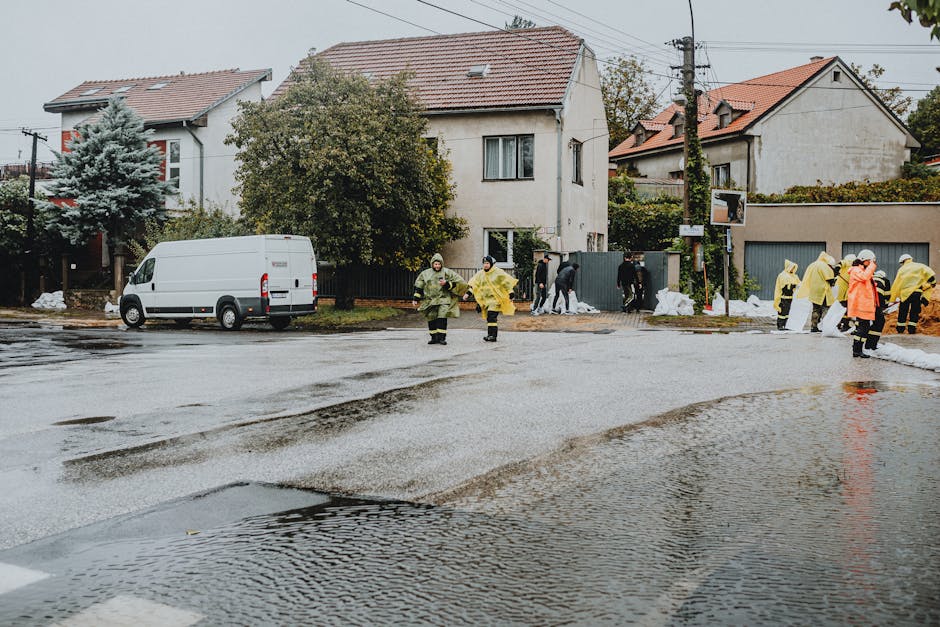
Knightsbridge emergency cleaning for floods and urgent stains
When a pipe bursts at 7am, a bath overflows, or a red wine spill spreads across a pale carpet just before guests arrive, you do not need theory. You need calm, fast, practical help. That is exactly where Knightsbridge emergency cleaning for floods and urgent stains comes in. It is the kind of service people hope they never need, but when they do, they need it quickly and done properly.
In a place like Knightsbridge, where homes, apartments, townhouses and offices often include delicate finishes, fitted carpets, upholstery, stone floors and high-value furnishings, a rushed DIY fix can make things worse. The first hour matters. Truth be told, the wrong cloth, the wrong detergent, or a bit of delay can turn a manageable mess into a lingering stain, odour, or even a moisture problem.
This guide explains what emergency cleaning involves, how the process works, what to do immediately after flooding or staining, and how to choose the right help for your property. You will also find a checklist, a comparison table, and practical tips that are actually useful on a stressful day.
Table of Contents
- Why Knightsbridge emergency cleaning for floods and urgent stains Matters
- How Knightsbridge emergency cleaning for floods and urgent stains Works
- Key Benefits and Practical Advantages
- Who This Is For and When It Makes Sense
- Step-by-Step Guidance
- Expert Tips for Better Results
- Common Mistakes to Avoid
- Tools, Resources and Recommendations
- Law, Compliance, Standards, or Best Practice
- Options, Methods, or Comparison Table
- Case Study or Real-World Example
- Practical Checklist
- Conclusion
- Frequently Asked Questions
Why Knightsbridge emergency cleaning for floods and urgent stains Matters
Flood water and urgent stains are different problems, but they behave a bit like cousins: both can spread fast, both can damage finishes, and both become harder to deal with once they have settled in. In Knightsbridge, that matters because many properties use materials that are elegant but not forgiving. Wool carpets, silk blends, upholstered seating, wooden trims, marble, and engineered floors all need careful handling.
Emergency cleaning matters for three simple reasons. First, it helps reduce damage early. Second, it can prevent odours, mould growth, and permanent marks. Third, it gives you a structured response when everything feels a little chaotic. And let's face it, flood water in a hallway or a stain on a reception room carpet is never just about cleaning. It is about getting life back to normal without making the problem bigger.
If the issue affects a flat, apartment building, office, or rental property, response time also matters for neighbours, landlords, tenants, and visitors. A quick, tidy intervention can avoid awkward conversations later. For local readers thinking more broadly about the area and its homes, the guide to whether Knightsbridge is a good place to call home offers useful context about the types of properties found here.
Urgent stain removal is especially important after events, dinner parties, open houses, or late-night accidents. If you are preparing a property for handover or inspection, pairing emergency stain treatment with end of tenancy cleaning in Knightsbridge can help restore a place to a presentable condition more efficiently.
How Knightsbridge emergency cleaning for floods and urgent stains Works
Most emergency cleaning jobs follow the same broad pattern, although the exact method changes depending on the material, the cause of the damage, and how long the spill or water has been present. A good cleaner will always start by identifying the surface and the contaminant before doing anything else. That sounds obvious, but in a panic it is easy to skip straight to scrubbing. Usually a bad move.
For flood-related cleaning, the process often begins with assessment and moisture control. The cleaner will look at the source of the water, whether it is clean, grey, or contaminated, and how far it has travelled. Then they may use extraction, air movement, targeted drying, and sanitation where suitable. For urgent stains, the process is more about spotting the stain type, choosing a safe treatment, and working from the outside in to stop it spreading.
In practical terms, emergency cleaning can include:
- rapid attendance and surface assessment
- water extraction from carpets, rugs, or soft furnishings
- stain identification and pre-treatment
- safe cleaning for delicate fabrics and finishes
- odour reduction and deodorising where appropriate
- drying support to limit secondary damage
- final inspection and advice for aftercare
If the issue affects upholstery rather than flooring, a specialist approach is usually better than a generic wipe-down. For instance, a sofa that has absorbed drink spillages or moisture may benefit from professional attention similar to what is covered on the upholstery cleaning Knightsbridge service page.
There is also a difference between surface-level cleaning and proper restoration-minded cleaning. One removes the visible mess. The other tries to protect the underlying material too. In urgent situations, that distinction is everything.
Key Benefits and Practical Advantages
Fast emergency cleaning is not just about appearances. It can protect property value, reduce disruption, and shorten recovery time after a messy incident. In an area like Knightsbridge, where homes and commercial spaces are often carefully maintained, those practical advantages matter a great deal.
- Less chance of permanent staining: Fresh spills are far easier to lift than dried-in marks.
- Reduced odour risk: Standing water or food residue can create smells that linger if ignored.
- Lower risk of secondary damage: Damp materials can warp, discolour, or attract mould if they stay wet too long.
- Better outcomes for delicate materials: Expert cleaning is safer for fine fabrics, mixed fibres, and premium flooring.
- Less disruption: A prompt visit helps you get back to normal sooner, whether at home or at work.
- Peace of mind: Knowing someone is handling the problem properly takes a surprising amount of pressure off.
There is a subtle but real business benefit too. In offices, shops, and short-stay properties, first impressions carry weight. A damp patch or visible stain near a reception area can undermine confidence quickly. That is why many property managers treat emergency cleaning as part of wider property care, alongside planned office cleaning in Knightsbridge or routine domestic cleaning support.
And for those comparing wider service options, the services overview page is a sensible place to understand how emergency work fits into a broader cleaning plan.
Who This Is For and When It Makes Sense
This kind of service is for anyone facing a time-sensitive cleaning problem that is bigger than a quick wipe and safer than a guess. That includes homeowners, tenants, landlords, managing agents, office managers, and anyone hosting an important event with very little margin for error.
It makes sense when:
- a leak has soaked into carpet, underlay, or upholstery
- a drink, food, ink, makeup, or pet-related stain needs fast treatment
- you have guests arriving and the spill cannot wait
- you are preparing a property for a viewing, checkout, or handover
- there is a risk of odour, discolouration, or mould if action is delayed
- the material is delicate, expensive, or hard to replace
It is also relevant after social events, especially in premium areas where entertaining is common and timing is tight. A late stain in the morning after a dinner party can feel disproportionately annoying. But that is life, isn't it? One misplaced glass and suddenly the whole carpet feels under suspicion.
If you are interested in the way social life and local routines shape service demand, it can be useful to browse the Knightsbridge party spots guide and the nearby same-day carpet cleaning options around Harrods. Both reflect the kind of fast-turnaround scenarios people actually face in the area.
For property owners thinking about long-term upkeep, the local housing and real estate articles can also help frame why maintenance is such a big deal here: real estate in Knightsbridge and the Knightsbridge housing market overview.
Step-by-Step Guidance
If you are dealing with a flood or urgent stain right now, here is the most sensible sequence to follow. This is the part many people wish they had before they started dabbling with towels and hope.
- Stop the source if you can do so safely. Turn off a leaking appliance, close a valve if you know where it is, or move the item causing the spill. Do not put yourself at risk.
- Protect people first. Keep anyone away from slippery floors, exposed electrics, or contaminated water. If electricity may be involved, stay cautious.
- Blot, do not scrub. For stains, use a clean absorbent cloth and gently blot from the outside inward. Scrubbing tends to push the stain deeper.
- Avoid random chemicals. Household cleaners can react badly with dyes, fibres, or coatings. Bleach, for example, is rarely a safe first choice on carpets or upholstery.
- Remove excess water carefully. Use towels or a wet vacuum where appropriate, but do not overdo it on delicate textiles.
- Ventilate the area. Open windows if weather and security allow. Air movement helps, though it is not a replacement for proper drying.
- Document the damage if needed. Photos can be helpful for landlords, insurers, or building management.
- Bring in professional help early. The sooner a trained cleaner assesses the material, the better the odds of a good outcome.
If the stain is on a sofa, cushion, or chair, keep children and pets away until the fabric is treated and dry. For households that want a broader deep clean after the incident, a regular house cleaning service in Knightsbridge can help reset the place once the urgent issue is under control.
One small but important note: if the water looks dirty, smells unpleasant, or came from a drainage source, avoid lingering contact. That is the point where professional assessment becomes less optional and more common sense.
Expert Tips for Better Results
Emergency cleaning is part technique, part judgement. A good result often comes from doing less, but doing it properly. Here are the habits that tend to make a real difference.
Act on the stain type, not just the stain colour
Not all dark stains are the same. Tea, coffee, wine, makeup, ink, grease, muddy footprints and flood residue each behave differently. If you know what caused the mark, tell the cleaner. That one detail can save time and prevent over-treatment.
Keep heat away until you know the fibre
Heat can set certain stains, especially on synthetic fibres and upholstery. A hairdryer seems helpful in the moment. Usually it is not. Gentle airflow is safer.
Test before treating
Any serious cleaner should test a treatment in a discreet area if there is any doubt. That is especially important for wool, silk blends, dyed rugs, or antique fabrics. Knightsbridge homes often have precisely the kind of materials that punish guesswork.
Watch for wicking
Wicking is when a stain appears to vanish and then creeps back up as the material dries. It is frustrating, and a little sneaky. Proper extraction and drying help reduce it.
Do not forget the underlay or subfloor
With floods, the visible carpet may look manageable while moisture has already moved below the surface. If you only clean what you can see, the problem may return. That's why a careful inspection matters.
For homeowners who want to understand the cleaner's approach and trustworthiness, the company's about us page and insurance and safety information are worth a look before booking.
Common Mistakes to Avoid
Some mistakes are small. Some create a much bigger job. Here are the ones that come up again and again.
- Waiting too long: A fresh spill can become a permanent stain if it is left to dry.
- Rubbing aggressively: This can spread dye and push liquid deeper into the pile or fabric.
- Using the wrong cleaner: Household sprays are not a universal fix. Some can bleach, mark, or leave residue.
- Over-wetting the area: More water is not always better. Too much can extend the damage.
- Ignoring hidden moisture: A carpet surface may feel dry while the backing is still damp.
- Skipping aftercare: Even after professional cleaning, you may need to avoid foot traffic until the area is properly dry.
Another common one: trying to save a few minutes by tackling a serious stain yourself, only to spend hours making it worse. It happens. No judgement. But once fabric dye starts travelling, the repair story gets less cheerful.
For properties managed to a timetable, such as rentals or offices, it is often better to combine emergency response with a planned clean-up approach and then review routine maintenance afterwards. If that sounds familiar, the pricing and quotes page can help set expectations around next steps without surprises.
Tools, Resources and Recommendations
People sometimes ask what a professional emergency cleaner actually brings to the job. The answer depends on the situation, but a well-prepared team will usually have a mix of inspection tools, extraction equipment, safe cleaning agents, and drying support.
| Tool or Resource | What it Helps With | Why it Matters |
|---|---|---|
| Wet vacuum or extraction unit | Removing standing water and excess moisture | Reduces saturation and speeds recovery |
| Microfibre cloths and absorbent pads | Blotting stains and lifting residue | Safer than scrubbing and less likely to spread the problem |
| Moisture meters | Checking how far dampness has travelled | Helps confirm whether hidden areas still need attention |
| Targeted stain treatments | Dealing with specific stains like wine, food, grease, or ink | Better control than generic cleaners |
| Air movers or drying support | Speeding evaporation after extraction | Useful for flood recovery and damp carpets |
As a recommendation, keep a small home emergency kit if you live in or manage a property with carpets or upholstery. It does not need to be elaborate. A few clean white cloths, gloves, a list of emergency contacts, and a note of where stop valves are located is often enough to save time when stress is high.
If you are comparing service types, the carpet cleaning Knightsbridge page is a useful route for stain-focused work, while domestic cleaning can support the wider reset after the urgent problem has been handled.
Law, Compliance, Standards, or Best Practice
Emergency cleaning is not usually a heavily regulated activity in the way that construction or hazardous waste work can be, but there are still important standards of care. A professional cleaner should work safely, avoid unnecessary risks, and take care with chemicals, electrical hazards, and contaminated water.
In the UK, sensible best practice includes:
- using suitable personal protective equipment where needed
- avoiding unsafe contact with electrical items near water
- following product instructions and dilution guidance carefully
- protecting occupants from slips, fumes, or residue
- being transparent about what can and cannot be cleaned safely
For landlords, managing agents, or tenants, there may also be practical duties around reporting damage, protecting the property, and keeping records. If there is building-wide flooding, the first call may need to be to facilities, the leaseholder, or the relevant management contact rather than a cleaner alone.
Trust matters here. It helps to know a provider has clear policies, especially on safety and handling. The site's health and safety policy, terms and conditions, and payment and security pages all help build that confidence in a straightforward way.
For any sensitive service relationship, a transparent complaints route is also reassuring. It sounds dull, maybe, but in an emergency you want a company that is organised, not one that disappears when things get awkward.
Options, Methods, or Comparison Table
Different situations call for different approaches. The right method depends on the material, the source of the problem, and how urgent the outcome is.
| Method | Best For | Strengths | Limitations |
|---|---|---|---|
| DIY blotting and ventilation | Very fresh, minor spills | Quick, low-cost, immediate | Limited effectiveness; easy to make mistakes |
| Targeted stain treatment | Food, drink, cosmetic or light grease stains | More controlled than generic cleaning | May not work on old or set stains |
| Professional extraction | Flooding, soaked carpets, large spills | Removes moisture more thoroughly | Requires specialist equipment and assessment |
| Upholstery cleaning | Soft furnishings, sofas, chairs, cushions | Protects fabric and improves appearance | Not suitable for every textile or filling |
| Full property clean-up | Multiple affected areas after a leak or event | Resets the space more completely | Usually more involved and time-sensitive |
For urgent carpet issues specifically, same-day support is often the deciding factor. If that is your situation, the Harrods area guide to same-day carpet cleaning options is a very relevant companion read.
For a broader view of service choices, the services overview page helps you see how emergency response, regular cleaning, and specialist treatments connect.
Case Study or Real-World Example
Picture a typical Knightsbridge flat after an early evening dinner. A guest knocks over a glass of red wine near a light-coloured rug. Someone tries a napkin first, then a paper towel, then a damp cloth. By the time the spill is fully noticed, the centre has darkened and the edges have started to spread. Nothing dramatic, but enough to cause concern.
What would a sensible emergency response look like? First, the area would be cleared so nobody steps on the stain. Then the liquid would be blotted carefully without rubbing. If the fabric allowed it, a suitable treatment would be applied and extracted. The cleaner would then check whether the stain had travelled into the backing or left a shadow mark after drying. If needed, a second targeted pass would follow.
Now compare that with a flood from a washing machine overflow. In that situation, the visible water is only part of the issue. The carpet may need extraction, the underlay may need inspection, and drying may need to continue for longer than expected. If the floor has absorbed moisture, speed matters much more than appearance at first glance.
The practical lesson? You rarely solve an emergency cleaning problem by rushing harder. You solve it by matching the response to the material and the cause. That sounds neat, but in real life it is the difference between an annoying mess and a proper repair job.
Practical Checklist
Use this quick checklist when you are dealing with a flood or urgent stain. Print it, save it, or just keep it in mind. It can save a lot of faffing around.
- Identify the source of the water or stain
- Switch off the source if safe to do so
- Move people, pets, and valuables away from the area
- Blot excess liquid gently with clean cloths
- Avoid scrubbing, heat, and random chemicals
- Open windows if it is safe and practical
- Take photos if the damage may need to be reported
- Check whether the material is delicate or high-value
- Book emergency cleaning early
- Follow any drying or aftercare advice carefully
Expert summary: the best emergency cleaning outcomes usually come from fast action, careful product choice, and a proper understanding of what the material can handle. That combination matters more than brute force. Every time.
Get a free quote today and see how much you can save.
Conclusion
Floods and urgent stains are stressful, but they do not have to become long-term damage. With the right response, many carpets, rugs, upholstery items and floors can be recovered more effectively than people expect. In Knightsbridge, where properties are often refined and materials can be delicate, emergency cleaning is less about brute-force cleaning and more about careful, well-timed intervention.
If you remember only three things, let them be these: act quickly, avoid guesswork, and choose a service that understands both the material and the urgency. That is what protects the result. It is also what gives you some breathing space when the day has gone sideways.
And sometimes, that breathing space is the real luxury.
Frequently Asked Questions
How quickly should I deal with a flood or stain?
As quickly as you safely can. Fresh spills and wet carpets are much easier to treat than older, dried-in damage. The first hour is often the most important, especially if moisture is soaking into underlay or a delicate fabric.
Can I clean a flood-damaged carpet myself?
You can remove small amounts of surface water and blot safely, but larger floods usually need professional extraction and drying. DIY cleaning often misses moisture below the surface, which is where problems tend to return.
What kinds of stains count as urgent?
Wine, coffee, ink, makeup, pet accidents, grease, blood, and food spills are common urgent stains. Anything on a pale, delicate, or high-value surface should be treated quickly to reduce the chance of permanent marking.
Will emergency cleaning remove all stains?
Not always. Some stains are fully removable, while others may lighten significantly but not disappear completely. The final result depends on the fibre, the stain type, how long it has been there, and what products were used before treatment.
Is flood water dangerous to touch?
It can be. Clean water from a simple overflow is very different from water that may be contaminated. If the source is unclear or unhygienic, avoid direct contact and get professional advice quickly.
How long does it take for carpets to dry after emergency cleaning?
Drying time depends on the extent of the water damage, the material, ventilation, and whether underlay has been affected. Light spillages may dry relatively quickly, while flood recovery can take much longer.
Can upholstery be cleaned after a flood or spill?
Often yes, but it depends on the fabric and how much liquid has soaked in. Upholstery needs a careful approach because fillings and seams can hold moisture longer than the surface suggests.
Should I use bleach on a stain?
Usually no, at least not as a first step. Bleach can damage fibres, alter colours, and leave worse marks than the original stain. A safer targeted treatment is usually the better choice.
What should I do before the cleaner arrives?
Stop the source if possible, keep the area clear, blot excess liquid gently, and avoid putting more products on the stain. If safe, open windows for ventilation and take photos if the damage needs to be reported.
How do I know if I need emergency cleaning or standard cleaning?
If the problem is active, spreading, heavily damp, or time-sensitive, emergency cleaning is the better fit. Standard cleaning is more suitable for routine dirt, general maintenance, or non-urgent refreshes.
Is emergency cleaning useful for rental properties or checkouts?
Yes, very. Quick stain and flood response can help preserve the condition of the property before inspection, handover, or inventory checks. In some cases it can make a noticeable difference to how the place presents.
Where can I learn more about the company and its policies?
You can review the about us page, along with the health and safety policy and complaints procedure for added reassurance before booking.
What is the best next step if I have a stain right now?
Blot it gently, avoid scrubbing, and arrange professional help as soon as possible. If you are comparing services, start with the relevant service pages and request a quote while the damage is still fresh.
For readers who want to explore more local context, the site's blog also includes practical Knightsbridge area guides and cleaning-related articles that may help with planning and property care.