Knightsbridge trade waste rules for cleaning contractors
If you clean homes, offices, managed buildings, or short-let properties in Knightsbridge, trade waste can become one of those quietly expensive problems that only shows up when something goes wrong. A van full of dirty cloths, rinse water, packaging, broken fittings, or post-build debris is not just "rubbish" to be tipped anywhere convenient. It needs a proper system.
This guide explains the real-world side of Knightsbridge trade waste rules for cleaning contractors: what counts as trade waste, how it should be stored and removed, what good practice looks like, and where cleaning teams often slip up. If you work in the area, or manage contractors who do, it helps to get this right early. It saves time, avoids awkward disputes, and keeps jobs feeling professional rather than improvised. And let's face it, no client wants to hear that the cleaner left a trail of waste in the wrong place.
Where useful, this article also points you towards practical pages on our site, including commercial cleaning support, after builders cleaning, and our recycling and sustainability approach. Those pages are not a substitute for waste rules, of course, but they do help frame the operational side of a cleaner, more organised service.
Table of Contents
- Why these rules matter in Knightsbridge
- How trade waste handling works in practice
- Key benefits and practical advantages
- Who needs this and when it makes sense
- Step-by-step guidance
- Expert tips for better results
- Common mistakes to avoid
- Tools, resources and recommendations
- Law, compliance, standards and best practice
- Options, methods and comparison
- Case study or real-world example
- Practical checklist
- Conclusion
- Frequently asked questions
Why Knightsbridge trade waste rules for cleaning contractors Matters
Trade waste rules matter because cleaning work generates a mixture of waste streams, and those streams are rarely handled correctly if everyone assumes "the bin is the bin". In Knightsbridge, that can become more sensitive than people expect. You may be working in a townhouse, a managed apartment block, a luxury retail unit, an office floor, or a short-let property with strict building rules. Each setting can have its own disposal expectations on top of normal UK waste duties.
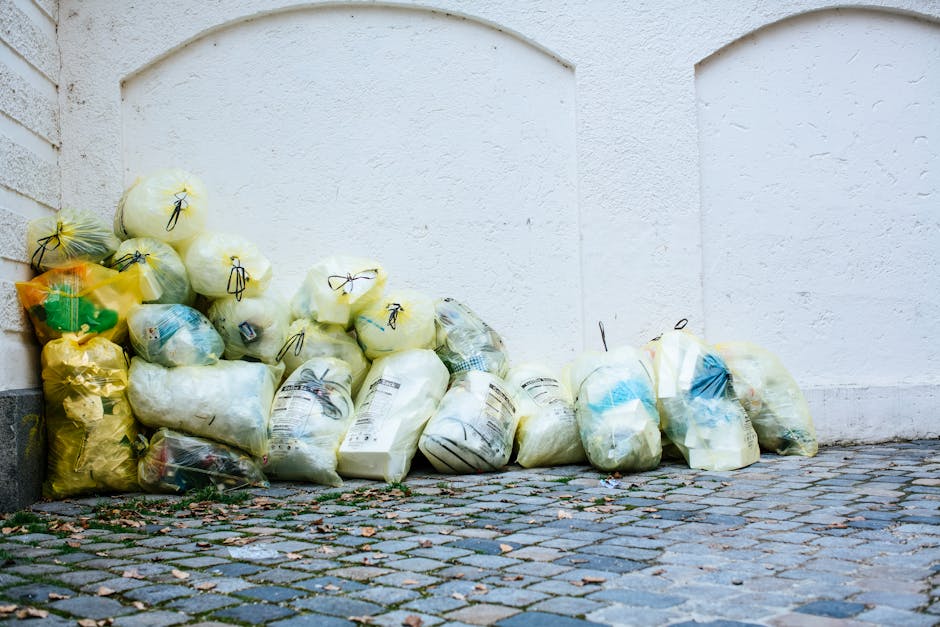
For cleaning contractors, the practical issue is simple: waste management is part of the service. It is not an afterthought. Dirty mop heads, paper towels, vacuum bags, disposable PPE, packaging, empty chemical containers, post-construction dust, and spoiled contents from a clearance job all need sorting. Some items are ordinary commercial waste, some may be recyclable, and some may require specialist handling.
In a neighbourhood like Knightsbridge, clients also tend to notice standards quickly. An overflowing sack left in a courtyard or a wet bag leaking into a communal area creates a very visible problem. It can affect reputation, building access, and future bookings. If you provide office cleaning or communal area cleaning, this matters even more because waste handling is often seen as a sign of whether the contractor understands the building, not just the cleaning task.
Good waste practice is one of those things clients only mention when it is missing. When it is done well, nobody talks about it. That silence is a good sign.
How Knightsbridge trade waste rules for cleaning contractors Works
The core idea is straightforward: if waste is created through a business activity, it should be managed as trade waste rather than treated as household rubbish. For cleaning contractors, that usually means identifying the waste type, keeping it separated where sensible, storing it safely, and arranging lawful collection or disposal through the right route.
In practice, the workflow usually looks like this:
- Identify the waste generated. A domestic deep clean produces a different waste profile from an after-builders clean or an end-of-tenancy clear-out.
- Separate what can be reused or recycled. Cardboard, certain plastics, and clean packaging may be recoverable if the site setup allows it.
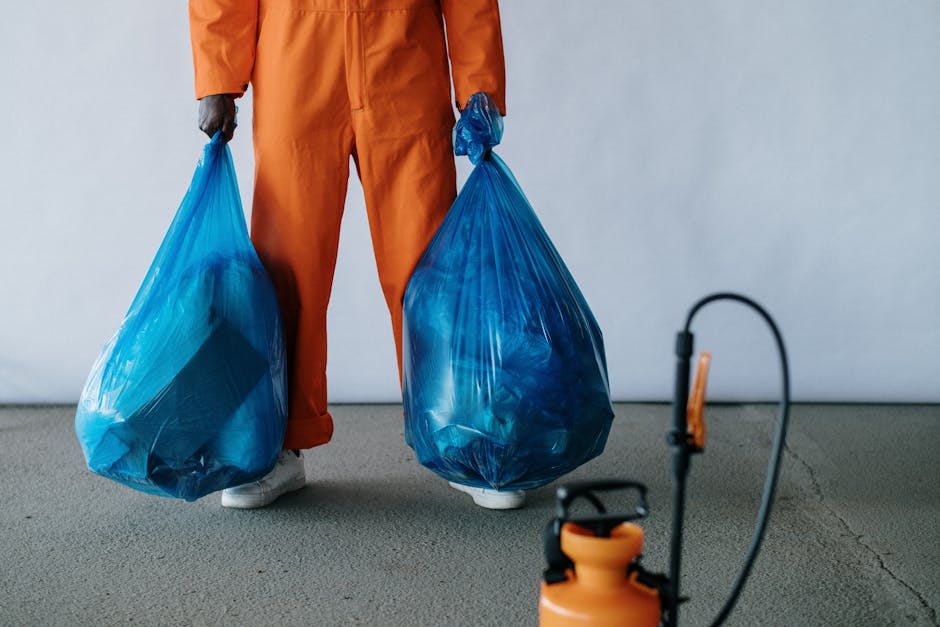
- Contain anything dirty or contaminated. Used cloths, mop heads, and waste from spill clean-up should be bagged securely.
- Store waste safely on site. This usually means keeping it out of public view, away from food prep areas, and away from trip hazards.
- Remove waste through a suitable route. That may be a commercial waste service, a building-managed collection system, or, in some cases, a specialist disposal arrangement.
- Keep records where needed. Receipts, transfer notes, or internal logs can be useful, especially for commercial contracts.
The exact setup depends on the property. A single-house house cleaning visit may produce only a few bags of waste, while a deep cleaning job in an office can produce packaging, dust, consumables, and recyclable material. A contractor working on a move-out or end of tenancy cleaning job may also encounter abandoned items that need separating from ordinary cleaning waste. That is where the judgment comes in.
One point people miss: waste created during cleaning is not always the same as waste found during the job. If a cleaner removes an old microwave from a kitchen, that is different from removing dirt from an oven. Small distinction, big administrative difference. Bit fiddly, yes, but important.
Key Benefits and Practical Advantages
Following the right waste process is not only about avoiding trouble. It also improves the work itself.
- Cleaner handovers. The property looks finished, not half-managed.
- Fewer site disputes. You are less likely to be blamed for leaving mess behind in shared areas.
- Better working rhythm. When crews know where waste goes, they move faster and waste less time making decisions on the spot.
- Stronger client trust. Good waste handling signals professionalism, especially in premium neighbourhoods.
- Reduced contamination risk. Separate streams are easier to manage than one giant mystery bag.
- More sustainable operations. Recycling and sensible reuse become easier when the system is planned properly.
There is also a financial angle. Poor waste planning can lead to extra charges from buildings, missed collections, wasted labour, or messy returns to site. That is why companies offering commercial cleaning and one-off cleaning often build waste handling into their method statements rather than treating it as a side note.
For customers, the advantage is even simpler: they get a contractor who understands the whole job, not just the scrubbing part.
Who This Is For and When It Makes Sense
This topic is relevant to a wider group than many people think. It is not just for large facilities teams. If your work creates physical waste, trade waste rules are part of your day.
Cleaning contractors who should pay attention
- Domestic cleaning teams
- Commercial office cleaners
- End-of-tenancy cleaners
- After-builders cleaning crews
- Carpet, rug, and upholstery specialists
- Window cleaners working with packaging, cloths, or replacement parts
- Property managers coordinating regular cleaning contractors
- Short-let and hospitality cleaners handling high turnover waste
For example, a team delivering regular cleaning in an apartment building may generate a predictable amount of bagged waste and recyclable packaging. By contrast, a crew doing after builders cleaning may have to deal with plaster dust, tape, offcuts, and protective coverings. Same location, very different waste story.
This also matters if you work in high-touch environments like Airbnb cleaning or move-out cleaning, where waste can include guest leftovers, packaging, damaged items, and occasional awkward surprises. Truth be told, those jobs can get messy in a hurry if nobody has a clear routine.
Step-by-Step Guidance
If you are setting up or improving your process, keep it practical. A clean waste system should be easy enough for staff to follow on a busy day.
1. Map the waste types before the job starts
Ask what the job will produce. Will there be dust and cloth waste only? Or old fittings, packaging, and bagged clearance items? This helps you decide whether recycling bags, lined bins, or separate containers are needed.
2. Check the building's disposal rules
Many Knightsbridge buildings have their own arrangements for waste storage, collection times, and access routes. Some managed blocks allow only certain bins to be used. Others require contractors to take waste away themselves. Do not assume the building system is enough.
3. Bring the right bags and containers
Strong sacks, sealed tubs for liquids, labelled recycling bags, and protective liners all make life easier. Simple kit, but very useful. Nobody enjoys a split bag halfway through a marble lobby.
4. Separate waste as you go
If recycling is practical, do it during the job, not afterwards. It is much easier to separate cardboard, plastic wrap, and clean packaging when the site is still orderly. Once everything is mixed together, well, it gets tedious fast.
5. Store waste safely until collection
Keep waste out of walkways and away from client-facing areas. If you are working in a shared entrance or a basement storage area, make sure sacks are stable, closed, and not leaking.
6. Remove waste legally and document it
Use the right disposal route for the waste type. Keep internal logs, collection notes, or contractor records where appropriate. This is especially useful for commercial clients who ask how waste has been handled.
7. Review what happened after the job
After a few jobs, look at what waste was generated most often. You may notice patterns: too much single-use packaging, unnecessary disposal of reusable items, or recurring confusion over chemical containers. That review helps tighten the system.
Expert Tips for Better Results
Here are a few habits that tend to make a real difference on busy jobs.
- Build waste handling into the quotation. If a job may produce significant waste, say so clearly in your pricing and scope. Our own pricing and quotes information is a good reminder that transparency helps everyone.
- Use a colour-coded or labelled bag routine. It does not have to be fancy. It just has to be consistent.
- Keep a spill kit in the van. A small leak or broken bottle can be sorted quickly if you are prepared.
- Train new staff on waste as part of cleaning method training. Not as a side lecture at the end.
- Ask building managers about collection windows. A five-minute conversation can prevent a whole afternoon of hassle.
- Match waste practice to the service type. A carpet cleaning job does not need the same waste setup as a clearance-heavy move-out clean.
For premium residential or commercial contracts, the best contractors usually take a quiet, organised approach. They do not make a drama out of it. They just know where the waste goes, and they get on with the work.
Common Mistakes to Avoid
Most waste problems in cleaning are not complicated. They are usually the result of small oversights repeated under pressure.
- Mixing everything together. This makes recycling harder and can create avoidable disposal issues.
- Leaving waste in communal areas too long. Even a neat bag starts to look bad if it sits there for hours.
- Assuming client bins are always available. Sometimes they are full, locked, or reserved for residents only.
- Ignoring liquid waste. Dirty water, chemical residue, and rinse water need sensible handling.
- Failing to brief subcontractors. One confused helper can undo a good system quickly.
- Not accounting for bulky waste. A job that includes broken fixtures or abandoned items may need a different plan.
- Forgetting local building rules. In Knightsbridge, access and presentation matter more than people think.
One of the most common slip-ups is tiny but annoying: a contractor finishes the cleaning beautifully, then leaves a pile of packaging next to the lift. The client remembers the pile, not the polish. That is just how it goes.
Tools, Resources and Recommendations
You do not need a huge system to stay organised, but a few practical tools help a lot.
- Heavy-duty rubbish sacks for standard trade waste
- Clear recycling bags or marked containers for recoverable items
- Sealable tubs for wet or contaminated materials
- Spill absorbent materials for accidental leaks
- Gloves and PPE for handling dirty or sharp waste
- Vehicle liners or protective sheeting to keep the van tidy
- Simple waste log sheets for larger commercial jobs
From a management point of view, it also helps to keep related company policies close at hand. Our health and safety policy and insurance and safety information show the sort of paperwork and planning that supports cleaner, safer work. If you want to understand how a business can align daily practice with greener outcomes, the recycling and sustainability page is also worth a look.
For clients who are comparing contractors, that kind of paperwork matters. It is not glamorous, but it is reassuring. It tells you the company has thought things through beyond the first mop stroke.
Law, Compliance, Standards, or Best Practice
Trade waste handling in the UK is shaped by legal duties, local expectations, and practical site rules. Without pretending to give legal advice, the safest approach is to treat business-generated waste as something that must be managed responsibly, separated where sensible, and disposed of through lawful channels.
For cleaning contractors in Knightsbridge, that usually means paying attention to four layers:
- General waste duty. Waste should not be dumped, fly-tipped, or mixed carelessly.
- Building rules. Many managed properties have their own restrictions on collection times, bin rooms, and access.
- Client requirements. Commercial clients may expect evidence of proper disposal or a method statement.
- Operational best practice. Good labelling, safe storage, and clear staff instructions reduce risk.
It is also smart to distinguish between routine cleaning waste and specialist waste. A few dirty cloths are one thing. Broken fittings, flood residue, chemical spill waste, or clearance materials are another. If the job borders on house clearance, for instance, you may need a fuller disposal plan than a standard domestic clean.
Best practice usually means documenting what your team did, training staff on separation and safe handling, and avoiding any "we'll sort it later" habit. Later has a way of turning into never.
Options, Methods, or Comparison Table
Not every cleaning job needs the same waste setup. Here is a straightforward comparison of common approaches.
| Method | Best for | Pros | Watch-outs |
|---|---|---|---|
| Single mixed waste bag system | Very small domestic jobs with limited waste | Simple and fast | Poor for recycling and can become messy if waste increases |
| Basic separated bag system | Most routine cleaning work | Easy to train staff on and better for recycling | Needs clear labels and consistency |
| Documented commercial waste process | Office, communal, and contract cleaning | Supports compliance, reporting, and client trust | Takes a bit more admin |
| Specialist disposal route | Bulky, contaminated, or unusual waste | More suitable for awkward waste streams | May need extra planning and cost |
For most contractors, the middle options are the sweet spot. They are practical without becoming over-engineered. A local team doing hard floor cleaning or window cleaning usually needs a reliable, repeatable process, not a labyrinth of forms. Keep it clean, keep it simple.
Case Study or Real-World Example
Picture a small cleaning team arriving early on a weekday morning for a mixed job in Knightsbridge: one apartment needs a deep clean after a tenant move-out, while the corridor and lift lobby also need attention because the building manager wants everything tidy before residents head out.
The team brings labelled sacks, a couple of rigid tubs, and a van liner. As they work, they separate cardboard packaging from used cloths, collect empty containers safely, and keep wet waste sealed. They ask the building manager where the bin room is and whether any collection restrictions apply that day. The answer is yes, of course there are restrictions, because buildings like to keep you on your toes.
At the end of the job, there is no bag left by the entrance, no overflow in the service corridor, and no confusion about what was removed. The client sees a finished property, the building team sees a contractor who respected the space, and the crew leaves without any last-minute scramble.
That is the real value of proper waste handling. It turns a job into a smooth handover. Nothing dramatic. Just quietly competent work.
Practical Checklist
Use this checklist before and after jobs where trade waste may be created.
- Confirm what waste the job is likely to produce
- Check building rules for bin access, timings, and storage
- Bring enough sacks, liners, and sealed containers
- Separate recyclable material where practical
- Keep wet, sharp, or contaminated waste contained
- Do not block walkways, exits, or communal entrances
- Make sure staff know who is responsible for removal
- Record any unusual waste, bulky items, or client requests
- Review whether the disposal process worked well after the job
- Update your method if the same problem keeps appearing
If you are managing multiple services, it may help to align waste handling with your wider cleaning offer. For example, commercial carpet cleaning, steam carpet cleaning, and upholstery cleaning all create slightly different waste profiles, so the checklist should flex a little depending on the task.
Conclusion
Knightsbridge trade waste rules for cleaning contractors are really about professional habits. If you can identify the waste, separate it sensibly, store it safely, and remove it through the right route, you are already doing better than many teams. That sounds simple, but in practice it is what keeps jobs smooth, clients calm, and buildings happy.
For contractors, the goal is not to overcomplicate the process. It is to build a routine that works on a wet Tuesday morning, during a last-minute turnaround, when the lift is busy and the client is checking progress. That is the real test. Get that right and the rest tends to follow.
Get a free quote today and see how much you can save.
And if you are refining your standards more broadly, our about us and terms and conditions pages offer a useful sense of how we structure work, responsibility, and service expectations. Small details matter. Usually more than people think.
Frequently Asked Questions
What counts as trade waste for a cleaning contractor?
Trade waste is any waste produced as part of your cleaning business. That can include used cloths, dirty PPE, packaging, vacuum bags, spill clean-up materials, and items removed during a job. If the waste is created by the work, it should be treated as business waste rather than casual rubbish.
Do cleaning contractors in Knightsbridge need a special waste plan?
Not every job needs a formal document, but every contractor should have a clear waste routine. In Knightsbridge, building rules and client expectations often make this especially important. A simple, repeatable process is usually enough for routine work.
Can cleaners use client bins for trade waste?
Sometimes, but only if the client or building allows it. You should never assume that residents' or office bins are available for contractor waste. Check first. It avoids awkward conversations later.
How should wet or contaminated cleaning waste be handled?
Wet or contaminated waste should be bagged or contained securely so it does not leak, smell, or create a slip hazard. For larger jobs, a separate container or liner is often the cleaner option.
Is waste from end-of-tenancy cleaning the same as ordinary cleaning waste?
Not always. End-of-tenancy jobs can involve abandoned items, broken fixtures, packaging, and mixed waste streams. That means the disposal plan may need to be more detailed than it would be for a regular domestic clean.
What is the biggest mistake cleaning contractors make with waste?
The biggest mistake is usually poor separation and poor storage. Mixing everything into one bag can make disposal harder, and leaving bags in public areas can create complaints even if the cleaning itself was excellent.
Do after-builders cleaning jobs create more trade waste?
Usually, yes. After builders cleaning often generates dust, tape, protective coverings, offcuts, and packaging. That is why it is worth planning waste handling before the team arrives on site.
How can a cleaning company reduce waste on site?
Bring only what you need, separate recyclable items as you go, and avoid overusing disposable materials. Small changes add up quickly. A few better habits can save quite a lot of bagging and sorting.
What should clients ask a cleaning contractor about waste?
Clients can ask how waste will be separated, where it will be stored, whether anything will be taken off site, and whether the contractor follows a recycling approach. Those are sensible questions, especially for commercial or managed properties.
Does waste handling affect the price of a cleaning job?
It can. Jobs that create more waste, need extra disposal time, or involve bulky materials may take more resources. Good contractors usually explain this clearly in their quote rather than hiding it in the background.
How often should a contractor review waste procedures?
Regularly, especially if the team handles different property types. A process that works for domestic cleaning might need adjusting for offices, short lets, or post-renovation work. A quick review every so often keeps things practical.
Why is recycling relevant to cleaning contractors?
Because a lot of cleaning-related waste is recoverable if it is sorted properly. Packaging, cardboard, and some consumables may be recyclable. Even when recycling is limited, a thoughtful system usually reduces unnecessary waste and keeps jobs tidier.