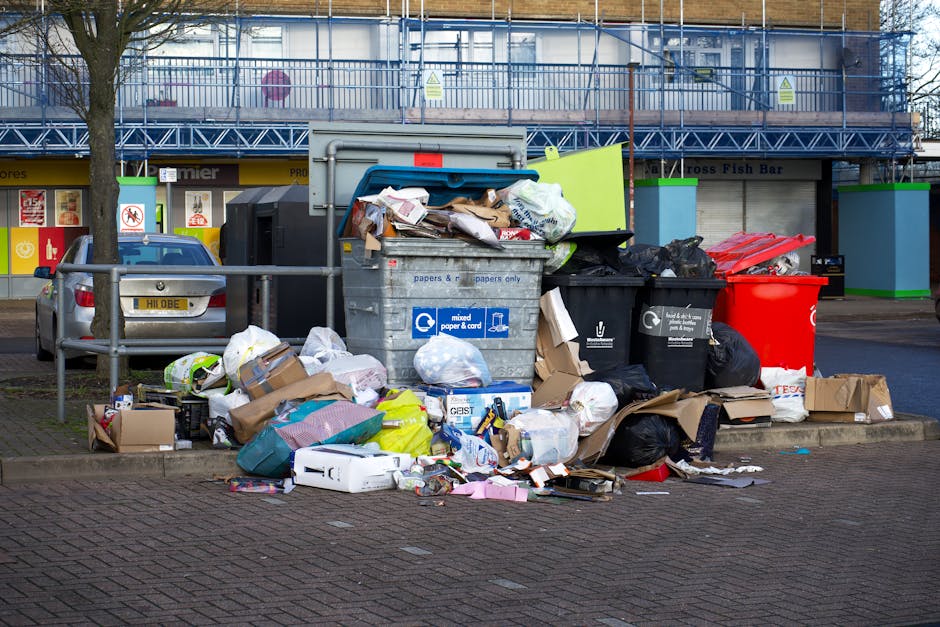
RBKC waste rules for mattress and carpet disposal after cleaning
If you have just finished a deep clean, the awkward part often starts afterwards: what do you do with the mattress, old carpet, or cut-off sections that are no longer fit for use? The rules around RBKC waste rules for mattress and carpet disposal after cleaning can feel confusing at first, especially if you are dealing with bulky items, tenancy deadlines, or a property that needs to be turned around quickly. To be fair, most people only find out about the disposal side once the cleaning work is already done.
This guide breaks it down in plain English. You will learn what typically counts as bulky waste, how to prepare carpets and mattresses for collection or disposal, where people go wrong, and how to stay on the right side of local waste expectations in Kensington and Chelsea. If you are also planning a wider refresh, it may help to look at end of tenancy cleaning in Knightsbridge or even browse the latest local cleaning advice for context on timing and property handovers.
One thing becomes clear fast: cleaning does not always mean keeping the item. Sometimes a mattress is clean but worn out, or a carpet looks much better after treatment yet still needs replacing. That is where sensible disposal planning matters.
Table of Contents
- Why RBKC waste rules for mattress and carpet disposal after cleaning Matters
- How RBKC waste rules for mattress and carpet disposal after cleaning Works
- Key Benefits and Practical Advantages
- Who This Is For and When It Makes Sense
- Step-by-Step Guidance
- Expert Tips for Better Results
- Common Mistakes to Avoid
- Tools, Resources and Recommendations
- Law, Compliance, Standards, or Best Practice
- Options, Methods, or Comparison Table
- Case Study or Real-World Example
- Practical Checklist
- Conclusion
- Frequently Asked Questions
Why RBKC waste rules for mattress and carpet disposal after cleaning Matters
RBKC, short for the Royal Borough of Kensington and Chelsea, is not a place where you want to guess your way through waste disposal. The borough is dense, busy, and often operating under tight collection schedules, so bulky items need a bit more thought than your average bin bag. Mattresses and carpets are also bulky in a very literal sense. They take up space, can be awkward to move, and can create nuisance if left in communal areas. Nobody wants that smell of damp carpet sitting in a hallway for two days. Not exactly elegant, is it?
The main reason these rules matter is simple: compliance, safety, and practicality. When an item has been cleaned, people often assume it can be treated like ordinary household waste. Sometimes that is close enough, but often it is not. Mattresses may need to be folded or bagged appropriately if collection is arranged. Carpets may need to be rolled, tied, and separated from underlay, nails, tacks, or contaminated debris. If a carpet has been treated for water damage, pet accidents, or heavy staining, it can also raise hygiene issues during handling.
There is another angle too. In rented properties, disposal timing can affect deposit negotiations and end-of-tenancy handovers. If you remove a mattress or carpet too late, you may slow down cleaning, inspection, or redecoration. If you remove it too early and do not dispose of it correctly, you may create a mess or a complaint. Either way, the hassle lands on you.
For landlords, managing agents, and tenants in Knightsbridge or nearby areas, the better route is usually to treat disposal as part of the cleaning plan, not an afterthought. That approach saves time and avoids the kind of messy morning you only notice when you are carrying something heavy down a narrow stairwell.
How RBKC waste rules for mattress and carpet disposal after cleaning Works
In practical terms, the process usually depends on three things: what the item is, whether it is still usable, and how it needs to be collected. After cleaning, a mattress or carpet may fall into one of three broad categories: reusable, bulky waste, or contaminated waste.
Reusable means the item is clean enough and in good enough condition to be passed on, stored, or sold. This is less common for mattresses, but it does happen with carpets in better condition or with remnants from a fit-out.
Bulky waste means the item is too large for regular household bins and needs special handling. Most mattresses and full carpets fall into this group.
Contaminated waste is the tricky one. If the item has been affected by mould, sewage, pests, or chemicals, extra caution is sensible. In those cases, disposal methods may need to be more careful than a standard kerbside pickup. The exact treatment depends on the condition of the item and the service provider involved.
Here is the usual working pattern after a proper clean:
- The cleaner inspects the item and confirms whether it is worth keeping.
- The item is fully dry or at least dry enough to move without spreading moisture.
- Loose debris, old underlay, nails, or staples are removed where practical.
- The mattress or carpet is rolled, wrapped, or secured for handling.
- A bulky waste collection, private removal, or responsible rehoming route is chosen.
That sounds straightforward, but the small details matter. A rolled carpet with grit still trapped in the backing is unpleasant to carry and can make a van filthy in minutes. A mattress that is damp after cleaning may cause odour issues if stored in a communal area. A little patience goes a long way.
If your disposal is linked to a full property clean, it can be useful to align it with a service that already understands the flow of the job, such as house cleaning in Knightsbridge or domestic cleaning support. That way the disposal plan and the clean itself work together instead of fighting each other.
Key Benefits and Practical Advantages
Getting mattress and carpet disposal right after cleaning is not just about being tidy. It changes how the whole project feels.
- Less stress on moving day - You avoid last-minute panic when the cleaner has finished and the item still needs to leave the property.
- Better hygiene - A properly dried and prepared item is much safer to handle, especially in shared hallways or lifts.
- Cleaner property presentation - Empty rooms look sharper, which is useful for viewings, inspections, or quick re-listing.
- Lower risk of complaints - Neighbours and building managers are less likely to object if bulky waste is handled neatly.
- More efficient tenancy turnovers - Landlords and agents can move faster when disposal is scheduled alongside cleaning.
There is also a less obvious benefit: it helps you make a better decision about replacement. Once a carpet has been cleaned, dried, and assessed, you can see whether it genuinely needs to go. Sometimes the answer is no. Sometimes the answer is obvious the second you feel the backing. Oddly enough, it is easier to decide once the item is clean.
Expert summary: treat disposal as the final step of the cleaning plan, not a separate chore. In practice, that means assessing the item, drying it correctly, and choosing the right removal route before the room is put back into use.
Who This Is For and When It Makes Sense
This topic matters to a surprisingly wide group of people in RBKC. You may be a tenant trying to leave a flat in decent shape, a landlord refurbishing between lets, a homeowner replacing an old carpet, or a facilities manager handling a larger clean-up. Each situation has its own pressure point, but the common thread is the same: you need the item out without creating a problem.
It also makes sense after specific cleaning situations, such as:
- end-of-tenancy cleaning where old floor coverings are being replaced
- deep cleaning after a spill, leak, or pet accident
- post-renovation clean-up where carpet offcuts are left behind
- mattress refreshes in guest rooms, HMOs, or serviced accommodation
- office or rental property resets where furnishing standards are changing
In Knightsbridge, where many properties are high-value and building access can be awkward, disposal planning also has a practical luxury to it: less disruption. You do not want bulky waste blocking a porter's bay or occupying the only lift during school-run hours. That kind of thing gets noticed quickly.
For people researching the local property landscape, related reading like the Knightsbridge housing market overview can help explain why presentation and turnover speed matter so much in this part of London.
Step-by-Step Guidance
If you want a sensible, low-drama process, follow this sequence.
1) Check the item after cleaning
Let the mattress or carpet dry fully and inspect it in daylight if possible. Look for smell, mould, frayed edges, broken springs, backing damage, or stains that still affect usability. A freshly cleaned item can look brilliant in the evening and rather less impressive at 9 a.m. the next day.
2) Separate what can be salvaged
Carpet offcuts, underlay, gripper rods, and trim pieces should be separated if they can be handled independently. The same applies to mattress covers, protectors, or toppers. Mixed waste is harder to move and often more annoying to dispose of.
3) Prepare the item for removal
Roll carpets with the backing on the outside if practical, tie them securely, and keep the width manageable. For mattresses, use a protective cover or wrapping if the removal route requires it. This helps with stairwells, lifts, and shared entrances. A small bit of tape can save a lot of swearing later.
4) Decide the disposal route
Your options usually include arranged bulky collection, private collection, reuse if suitable, or a specialist removal service. The right choice depends on access, urgency, volume, and condition. If the item is large, damp, or awkward, a direct removal route may be the least painful.
5) Move it at the right time
Timing matters. Dispose of the item once it is fully ready and the route is clear. Do not leave a rolled carpet in the hallway overnight if the building has strict communal rules. Do not store a mattress in a damp basement while you think about it. That often ends badly.
6) Leave the space clean and safe
Once the bulky item is gone, vacuum or sweep the area and remove remaining dust, staples, or fibres. If you have just finished a carpet replacement, the room should feel calm and clear, not half-finished.
Expert Tips for Better Results
A few small choices can make the whole process easier.
- Dry first, move second. If a carpet is even slightly damp, let it breathe before rolling or storing it.
- Photograph the item before disposal. This is especially useful for tenancy records or landlord sign-off.
- Measure doorways and lifts. It sounds obvious, but people forget. Then the mattress bends in the hallway and everybody sighs.
- Keep sharp debris separate. Nails, staples, and carpet tacks can ruin gloves and scratch floors.
- Plan access in advance. In Knightsbridge, parking and building access can be the real bottleneck, not the lifting.
- Use the clean as a decision point. Once the item is spotless, it becomes much easier to judge whether keeping it still makes sense.
Here is a useful rule of thumb: if the item is easy to store, safe to handle, and likely to be reused, keep it. If it is awkward, worn, or still carrying a smell after treatment, move it on. Simple enough, though not always simple to accept.
For more local cleaning context, it can help to read about professional cleaning costs and quotes in Knightsbridge, because disposal is often one small part of a broader clean-up budget.
Common Mistakes to Avoid
The mistakes people make here are usually very human ones. Rushed, slightly hopeful, and expensive in time.
- Leaving items in communal spaces. That creates nuisance, and in some buildings it can trigger complaints very quickly.
- Forgetting the drying stage. A damp carpet can smell worse after rolling than before cleaning. True story, unfortunately.
- Mixing waste types together. Doing that makes disposal clumsier and can cause delays.
- Assuming all mattresses are treated the same. Condition, contamination, and handling needs vary.
- Ignoring building rules. Some blocks have access windows, porter arrangements, or collection restrictions that matter more than you think.
- Not planning for heavy lifting. A double mattress or large carpet roll is awkward in a narrow staircase. No shame in getting help.
Another common one: cleaning the item beautifully and then letting it sit. That sounds harmless, but a clean item left in the wrong place can still become a problem. The job is not finished until it is either stored properly or removed properly.
Tools, Resources and Recommendations
You do not need a warehouse full of kit to handle this well, but a few practical tools help enormously.
| Tool or item | Why it helps | Best used for |
|---|---|---|
| Heavy-duty gloves | Protects hands from staples, rough backing, and dust | Rolling carpets, handling old mattress edges |
| Strong tape or straps | Keeps rolled carpets tight and manageable | Moving through corridors or lifts |
| Protective wrapping or bags | Reduces mess and helps with hygiene | Mattress handling and communal access |
| Vacuum or sweep kit | Clears loose fibres, grit, and debris after removal | Final room clean-down |
| Measuring tape | Confirms whether the item will fit through access points | Flats, lifts, stairwells, basement storage |
From a service perspective, the most useful recommendation is to line up disposal with the overall cleaning plan. That is especially true if you are already using carpet cleaning support in Knightsbridge or comparing broader cleaning services for a property reset.
And if the property needs a refresh that goes beyond floors, upholstery cleaning in Knightsbridge can be a sensible companion service, especially where fabric furnishings and carpets are being assessed at the same time.
Law, Compliance, Standards, or Best Practice
For waste and disposal matters in the UK, the safest approach is to follow the principle that the waste holder is responsible for handing items over in a lawful, controlled way. That usually means you should not fly-tip, abandon bulky waste in communal spaces, or leave items where they create obstruction or health risks. Local borough rules can vary in the details, so it is wise to check the exact procedure that applies at the time you need it.
Best practice in RBKC is usually straightforward even where the formal route is not. Keep waste contained, keep access clear, avoid leaving items out too early, and make sure any collection method is appropriate for the item's condition. Where a mattress or carpet has been affected by contamination, handle it cautiously and do not assume a standard collection is enough. If you are in doubt, use a service that can explain how the item will be removed and what preparation is needed.
For landlords and letting agents, there is also a practical compliance dimension. Good records, clear sign-off, and a tidy disposal trail help reduce disputes at check-out. That is one reason many teams tie disposal to end of tenancy cleaning rather than treating it separately. It just makes the paperwork and the real-world work line up better.
Health and safety should not be an afterthought either. Heavy items can strain backs, and old carpet fibres can carry dust and irritants. If you are moving items through a property, especially in older buildings, take your time and use good manual handling habits. Not glamorous, I know. Still important.
If you want reassurance on service standards and operational care, the company's health and safety policy, insurance and safety information, and about us page can help you understand how a professional provider approaches risk and responsibility.
Options, Methods, or Comparison Table
There is no single best method for every mattress or carpet. The right one depends on condition, urgency, and how much effort you want to spend. Below is a simple comparison.
| Method | Best for | Pros | Trade-offs |
|---|---|---|---|
| Keep after cleaning | Items still in good condition | Lowest cost, least disruption | Only works if the item remains genuinely usable |
| Arrange bulky waste removal | Standard mattresses and carpets | Controlled, straightforward, usually predictable | Needs planning and preparation |
| Private removal service | Urgent jobs, access issues, multiple items | Fast, flexible, useful for tight deadlines | Usually costs more than a basic disposal route |
| Reuse or pass on | Clean, sound, non-contaminated items | Reduces waste, may help others | Only practical if condition is really good |
In a Knightsbridge flat with narrow access and a same-week checkout, private removal often wins because speed matters. In a larger home where the item can be stored safely for a short time, a planned bulky waste route may be enough. The best method is the one that fits the property, not the one that sounds neat on paper.
Case Study or Real-World Example
A typical local scenario goes like this. A tenant in a period flat near Knightsbridge has a double mattress and two carpeted bedrooms to deal with after a deep clean. The carpet looks much better once cleaned, but one room still has a persistent odour and the backing has begun to fail in places. The mattress is clean on top, but the sides are worn and the springs are making themselves known. Quietly, not dramatically, but enough.
Rather than leaving the items in the hallway and hoping for the best, the tenant and agent agree to assess the items straight after cleaning. The mattress is wrapped for removal, the carpet is rolled and secured, and the offcuts are separated from the underlay. Because access in the building is tight, the items are moved during a quieter window rather than in a rush at peak traffic time. A small detail, but it matters.
The result is cleaner common areas, no last-minute complaints, and a smoother checkout. More importantly, the team avoids the very common problem of trying to decide disposal after the property has already been repainted or re-let. That sort of delay causes friction. Better to handle it while everyone still knows what belongs where.
This is also where local context helps. Knightsbridge and neighbouring streets often involve managed buildings, concierge arrangements, or time-limited access. If the waste plan ignores that, the whole day can unravel in a very boring, very expensive way.
Practical Checklist
Use this checklist before you dispose of a mattress or carpet after cleaning:
- Has the item been fully cleaned and inspected?
- Is it dry enough to move without causing damp problems?
- Can it still be reused, or is disposal the better choice?
- Are nails, staples, grippers, or sharp debris removed?
- Is the carpet rolled or the mattress wrapped for safe handling?
- Do you know the access route through the property or building?
- Have you checked any local or building-specific collection restrictions?
- Is the removal timed so it will not block communal areas?
- Have you arranged the right disposal method for the item's condition?
- Have you cleared the area after removal so it is ready for use?
Quick takeaway: if you can answer those ten points cleanly, the rest usually falls into place.
Conclusion
RBKC waste rules for mattress and carpet disposal after cleaning are really about being organised, considerate, and realistic. Once a mattress or carpet has been cleaned, the next step is not guesswork. It is deciding whether the item stays, moves, or needs specialist handling, then preparing it properly so the disposal process does not become a headache.
That is the quiet difference between a smooth property reset and a messy one. In a borough like Kensington and Chelsea, where access, timing, and presentation matter more than most people expect, a little planning goes a long way. One calm decision now can save a lot of hassle later. Honestly, that is usually where the real value is.
If you are combining cleaning with disposal, or working to a tight turnaround, professional support can make the process much easier from start to finish.
Get a free quote today and see how much you can save.
Frequently Asked Questions
Can I put a mattress out for normal rubbish collection in RBKC?
Usually no, not as ordinary household waste. Mattresses are bulky items and typically need a dedicated disposal route or collection arrangement. It is better to confirm the correct method before leaving it outside.
What should I do with a carpet after it has been professionally cleaned?
If the carpet is still usable, you can keep it, dry it fully, and reinstall or store it safely. If it is worn, damaged, or no longer suitable, roll it securely and arrange proper disposal rather than leaving it loose.
Do I need to remove carpet underlay as well?
If the underlay is damaged, damp, or contaminated, it is often best removed with the carpet. It is not always necessary, but separating it usually gives a clearer assessment of what can be kept and what should go.
How long should I wait after cleaning before moving a mattress or carpet?
Wait until it is dry enough to handle safely. If it still feels damp, has a lingering moisture smell, or would drip when moved, give it more time. Rushing this step is where problems start.
What if the mattress or carpet has mould?
Treat it carefully and avoid normal handling if the contamination is significant. Mould changes the risk profile, so the item may need more cautious disposal. If you are unsure, do not just drag it through a shared hallway.
Can cleaned carpets be donated or reused?
Sometimes yes, if the carpet is in good physical condition and free from contamination. In practice, this is more likely for smaller remnants or lightly used pieces than for old fitted carpets.
What is the safest way to move a rolled carpet in a block of flats?
Keep it tightly rolled, secure it with straps or tape, and make sure the route is clear before lifting. Measure the lift and stair access first if possible. That bit is dull, but it saves a lot of awkward bending and swearing.
Do landlords usually expect tenants to handle disposal too?
It depends on the tenancy agreement and the condition of the item, but in many cases tenants are expected to leave the property clear of unwanted bulky items. The safest move is to agree responsibilities early and keep records.
Is it better to clean a mattress before deciding whether to throw it away?
Often yes. A proper clean can help you judge whether the mattress is worth keeping. Once it is clean and dry, faults become easier to spot and smell issues are easier to assess honestly.
What should I ask a cleaning company about disposal support?
Ask whether they can help with preparation, timing, and safe handling, and whether they can coordinate cleaning with removal. If the job includes multiple rooms or a tight turnaround, that coordination is very useful.
Why is disposal planning so important after end-of-tenancy cleaning?
Because timing affects everything: inspection, access, deposit discussions, and whether the property is ready for the next occupant. A clean property with one bulky item left behind still feels unfinished.
Where can I find more help with local cleaning and turnaround planning?
A good place to start is the local service and advice pages, including pricing and quotes, services overview, and related local guidance such as same-day carpet cleaning options near Harrods.